
Greek baklava is one of the most iconic desserts in the world - dozens of crisp, buttery filo pastry layers sandwiching a fragrant filling of chopped walnuts and cinnamon, drenched in a warm honey and lemon syrup that soaks deep into every layer. The result is gloriously rich, sticky, and sweet with a satisfying crunch that makes it utterly irresistible.
While baklava has versions across the Middle East and Eastern Mediterranean, the Greek version is characterised by its use of walnuts rather than pistachios, and a clean honey and lemon syrup rather than rosewater. It's a labour of love - but the technique is entirely achievable at home, and the results are genuinely spectacular.
This recipe makes 16 generous pieces, making it ideal for a dinner party dessert, a festive bake at Christmas or Easter, or a treat to box up and share. Filo pastry is readily available in the chilled or frozen aisle at most UK supermarkets. Baklava keeps well for several days at room temperature, making it one of the best make-ahead desserts around.

Ingredients
For the filling
- 250 g Walnut Halves, Roughly Chopped , not too fine - you want some texture
- 1.5 tsp Ground Cinnamon
- 0.25 tsp Ground Cloves
- 2 tbsp Caster Sugar
For the pastry
- 270 g Pack of Filo Pastry (approx. 12–14 sheets if making 16) , thawed if frozen
- 150 g Unsalted Butter , melted
For the honey syrup
- 200 g Caster Sugar
- 150 ml Water
- 150 g Runny Honey
- 1 Cinnamon Stick
- 0 Cloves (whole)
- 1 Lemon Peel , strip
- 2 tbsp Lemon Juice
Method
-
Preheat your oven to 160°C fan / 180°C conventional / Gas Mark 4. Lightly butter a 20x30cm baking tin (or as close to this size as you have).
-
In a bowl, mix together the chopped walnuts, ground cinnamon, ground cloves, and caster sugar. Set aside.
-
Unroll the filo pastry and trim the sheets to fit your tin if needed. Keep the stack covered with a slightly damp tea towel to prevent the sheets from drying out as you work.
Tip: Don't worry if sheets tear slightly - once layered and buttered, minor imperfections are completely invisible in the finished baklava. -
Lay one sheet of filo in the buttered tin and brush all over with melted butter. Repeat until you have 6–7 buttered layers on the base.
-
Spread half the walnut mixture evenly over the pastry base. Add 2–3 more buttered filo layers on top, then spread over the remaining walnut mixture. Finish with the remaining filo sheets, buttering each one generously as you go - aim for 6–7 layers on top.
-
Using a sharp knife, cut the baklava into diamond or square shapes all the way through to the base before baking - this is essential as the pastry becomes too crisp and brittle to cut cleanly once cooked. Aim for around 16 pieces.
Tip: For the traditional diamond shape, make parallel diagonal cuts in one direction, then parallel cuts in the opposite direction. Dip your knife in hot water and wipe it clean between cuts for neater edges. -
Bake for 40–45 mins until deeply golden and crisp all the way through. If the top is browning too quickly, loosely lay a sheet of foil over it for the last 10 mins.
-
While the baklava bakes, make the syrup. Combine the sugar, water, honey, cinnamon stick, cloves, and lemon peel in a small saucepan. Bring to the boil, stirring to dissolve the sugar, then reduce to a steady simmer for 10 mins. Remove from the heat, stir in the lemon juice, and leave to cool to room temperature. Remove the cinnamon stick, cloves, and lemon peel.
Tip: The syrup must be at room temperature (or cool) when the baklava comes out of the oven. Hot syrup on hot baklava makes it soggy - the temperature contrast is what keeps it crisp. -
As soon as the baklava comes out of the oven, pour the cooled syrup evenly and slowly all over it - you'll hear it sizzle. Leave to soak at room temperature for at least 4 hours, or overnight, before serving. Do not cover or refrigerate during this time.
Alternatives & Variations
Reduce the butter to 120g and use a pastry brush to apply it very thinly - you'll still get good layers with noticeably less saturated fat
Reduce the syrup sugar to 150g and increase the honey slightly - honey is still sweet but has a more complex flavour, meaning you can use a little less overall sweetness without it feeling lacking
Use a mix of walnuts and unsalted pistachios - pistachios are slightly lower in calories and add a lovely colour contrast to the filling
Replace the butter with a good quality vegan block butter (Naturli or Flora Plant are both reliable for baking). Swap the honey in the syrup for agave syrup or maple syrup — agave gives a cleaner, more neutral sweetness closest to honey. The result is a very good vegan baklava that holds up well.
This recipe is not naturally gluten free as it relies on wheat-based filo pastry. Gluten free filo pastry is not widely available in UK supermarkets at the time of writing. As an alternative, some specialist health food shops and online retailers stock gluten free filo, but results can vary. If you need a gluten free Greek-inspired dessert, a walnut and honey cake (karydopita) is a naturally flourless option worth exploring.
FAQs
Around 1 hr 25 mins of active prep and baking, plus at least 4 hours - ideally overnight - for the syrup to soak in fully. It's a brilliant make-ahead dessert as it genuinely improves with time.
Rated Intermediate. Working with filo pastry requires a little care to stop it drying out, and cutting the diamond shapes before baking takes a steady hand. But none of the steps are technically demanding - it's more about patience than skill.
Stored in an airtight container at room temperature, baklava keeps for up to 5 days. Do not refrigerate - it makes the pastry soft and the syrup sticky in an unpleasant way. It actually tastes better on day 2 once the syrup has fully permeated all the layers.
Yes - baklava freezes well. Once fully soaked and set, cut into pieces, wrap individually in cling film, and freeze for up to 3 months. Thaw at room temperature for 2-3 hours. The texture is very close to fresh once defrosted.
It's actually best made ahead - the syrup needs at least 4 hours to soak in, and overnight is even better. Make it the day before serving for the best flavour and texture.
The main differences are in the nut filling and the syrup. Greek baklava traditionally uses walnuts and a honey and lemon syrup, while Turkish baklava more commonly uses pistachios and a plain sugar syrup, sometimes with rosewater or orange blossom. Both are delicious - the Greek version tends to be a little denser and more heavily spiced with cinnamon and cloves.
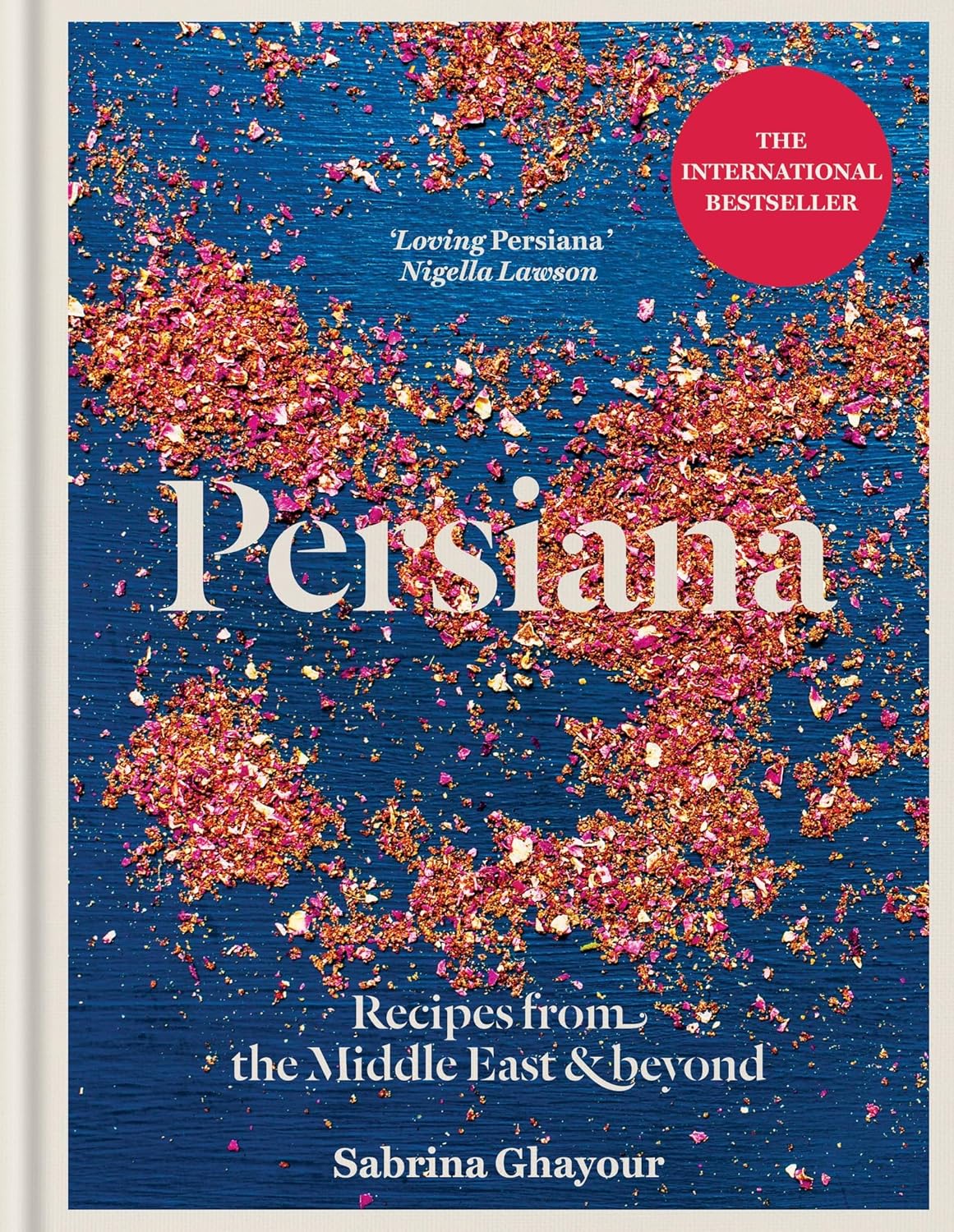
Like Greek food? Check out these cookbooks



This page contains affiliate links. Learn more.
Newsletter
Get a new recipe every week
No spam. Just good food, straight to your inbox.
We respect your privacy. Unsubscribe any time.
