Hummus is one of the great staples of Middle Eastern and Mediterranean cooking - a smooth, creamy dip of blended chickpeas, tahini, lemon, and garlic that has earned a permanent place in kitchens and on tables across the world. It's also one of those recipes where homemade is so dramatically better than shop-bought that once you've tried it, going back to a supermarket tub feels like a genuine step backwards.
The secret to exceptional hummus is threefold: good quality tahini, plenty of lemon, and blending for longer than you think necessary. Most homemade hummus falls short because it's under-blended - a truly silky, restaurant-quality hummus needs at least 3–4 minutes in a food processor to break down the chickpea skins into a completely smooth paste. Adding ice-cold water during blending is the other key trick, aerating the mixture and giving it that light, almost whipped texture you find in the best Lebanese and Israeli restaurants.
This recipe uses tinned chickpeas for speed and convenience - they're available at every UK supermarket and produce an excellent result. Serve with warm pitta, crudités, or as part of a mezze spread alongside tzatziki, dolmades, and olives. It also works brilliantly as a base for loaded hummus bowls topped with spiced lamb, roasted vegetables, or crispy chickpeas.

Ingredients
- 400 g Tin Chickpeas (reserve the liquid - aquafaba) , drained
- 3 tbsp Tahini , good quality - Belazu is widely available and excellent
- 3 tbsp Lemon Juice , plus more to taste
- 1 Garlic Clove , roughly chopped
- 0.5 tsp Salt , plus more to taste
- 0.5 tsp Ground Cumin
- 3 tbsp Ice-Cold Water
- 2 tbsp Extra Virgin Olive Oil , plus extra to drizzle
To serve
- Extra Virgin Olive Oil , to drizzle
- Pinch of Smoked Paprika or Sumac
- Fresh Flat-leaf Parsley , finely chopped (optional)
- Warm Pitta
Method
-
Add the tahini and lemon juice to a food processor and blend for 1 min until the tahini lightens in colour and becomes creamy. This step - blending the tahini first - is key to a smooth, well-emulsified hummus.
Tip: Blending the tahini with lemon juice before adding anything else breaks it down and makes the final hummus much smoother. Don't skip this step. -
Add the garlic, salt, and cumin and blend for another 30 seconds.
-
Add the drained chickpeas and blend for 1 min. With the processor running, drizzle in the olive oil and 3 tbsp of ice-cold water. Blend continuously for a further 3–4 mins until completely smooth and creamy.
Tip: The cold water aerates the hummus as it blends, giving it a lighter, fluffier texture. Add an extra tablespoon if you prefer a looser consistency. The longer you blend, the smoother and creamier the result - don't stop too early. -
Taste and adjust - more lemon for brightness, more salt for seasoning, more tahini for nuttiness. Blend again briefly after any adjustments.
-
Transfer to a serving bowl. Use the back of a spoon to create a swirl on the surface. Drizzle generously with extra virgin olive oil and finish with a pinch of smoked paprika or sumac and fresh parsley if using. Serve with warm pitta or crudités.
Alternatives & Variations
Reduce the olive oil to 1 tbsp and use an extra tablespoon of aquafaba (the reserved chickpea liquid) instead - aquafaba adds creaminess with virtually no calories and makes an excellent lower-fat substitute
Use less tahini (2 tbsp instead of 3) - tahini is nutritious but calorie-dense; reducing it slightly keeps the flavour while lowering the fat content
Skip the olive oil drizzle on top and finish with a squeeze of lemon and smoked paprika instead - saves around 40 kcal per serving
FAQs
Just 10 minutes from start to finish - it's an entirely no-cook recipe. The blending time is the only variable; aim for at least 4–5 mins of total blending for the smoothest result.
Rated Easy. All you need is a food processor or high-powered blender and a few storecupboard ingredients. The technique is minimal - the main thing is blending for long enough and tasting as you go.
Stored in an airtight container in the fridge, hummus keeps for up to 5 days. Drizzle a little extra olive oil over the surface before storing - it helps seal the top and keeps it fresher for longer. Give it a stir before serving as it can thicken slightly in the fridge; add a splash of cold water and stir to loosen.
Yes - hummus freezes well. Freeze in portions in airtight containers for up to 3 months. Defrost overnight in the fridge and stir well before serving, adding a little cold water or lemon juice if needed to restore the texture. The consistency may be very slightly grainier after freezing but is still very good.
Warm pitta bread and vegetable crudités are the classics - carrot sticks, cucumber batons, celery, and radishes all work brilliantly. It's also an essential part of a Middle Eastern or Greek mezze spread alongside tzatziki, dolmades, olives, and flatbreads. Use it as a base for a loaded hummus bowl topped with spiced lamb mince, roasted cauliflower, or crispy chickpeas for a more substantial meal.
Almost always because it hasn't been blended for long enough. Hummus needs a minimum of 3–4 minutes of continuous blending to break down the chickpea skins into a truly smooth paste. Add cold water gradually while blending - the liquid and movement together are what creates a silky, creamy texture. If you're still struggling, try peeling the chickpeas before blending - it's time-consuming but gives an exceptionally smooth result.
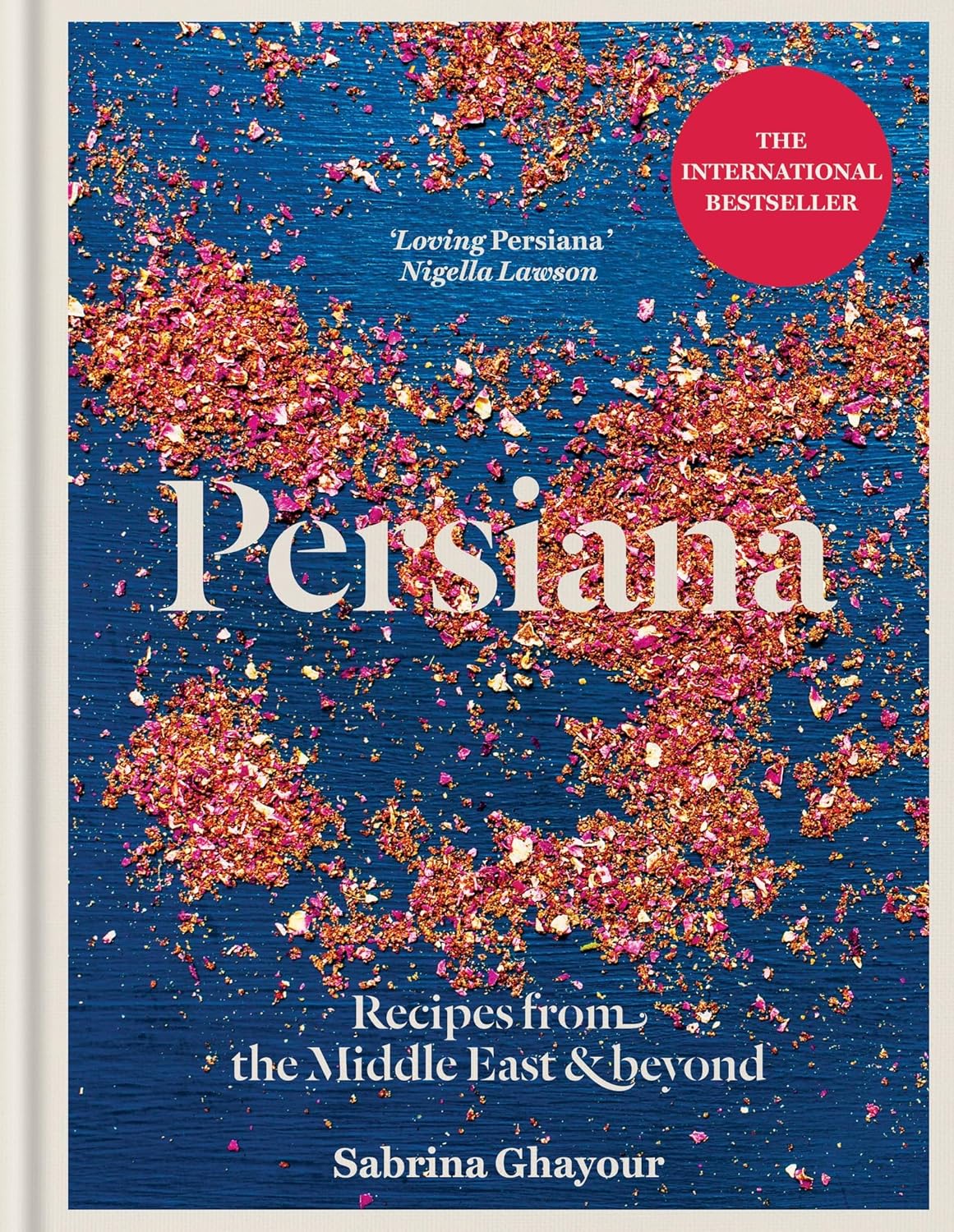
Like Middle Eastern food? Check out these cookbooks


The Mediterranean Diet Cookbook for Beginners
Meal Plans, Expert Guidance, and 100 Recipes to Get You Started
Amazon
View on AmazonThis page contains affiliate links. Learn more.
Newsletter
Get a new recipe every week
No spam. Just good food, straight to your inbox.
We respect your privacy. Unsubscribe any time.